Why Concrete Recycling Is No Longer Optional in Brisbane Construction
Concrete recycling in Brisbane is becoming essential as environmental regulations, rising landfill costs and sustainability expectations reshape the construction industry. For builders, developers and civil contractors, recycling concrete is no longer just an environmental consideration. It is a practical way to manage waste, reduce material costs and meet changing project requirements.
With Brisbane's ongoing infrastructure development, recycled aggregate is also becoming an increasingly valuable alternative to traditional quarry materials.
Why Is Concrete Recycling Becoming Essential in Brisbane?
Concrete recycling is gaining importance across Brisbane as construction businesses face growing pressure to reduce landfill waste and improve resource efficiency.
Although Queensland does not require every construction project to recycle concrete, government policies, waste disposal costs and client expectations are making recycling a more attractive option.
Rising Landfill Costs
Queensland's waste levy encourages businesses to divert recoverable materials away from landfill. For construction projects generating large volumes of demolished concrete, disposal costs can quickly add up.
Recycling suitable concrete can reduce reliance on landfill disposal while recovering materials for future construction use. Depending on transport distances and facility charges, this may also help contractors manage project expenses.
Increasing Industry Expectations
Sustainability is becoming an important consideration in construction tenders and project planning.
Government infrastructure contracts, commercial developments and civil projects may include waste diversion targets, environmental management requirements or preferences for recycled materials.
Contractors who incorporate concrete recycling into their waste management plans are better positioned to meet these expectations.
What Environmental Regulations Are Driving Concrete Recycling in Brisbane?
Queensland's environmental legislation and resource recovery strategies encourage construction businesses to minimise waste and manage materials responsibly.
While these regulations do not impose a blanket requirement to recycle all concrete, they establish clear expectations around waste reduction and environmental protection.
Queensland's Waste Reduction & Recycling Act
The Waste Reduction and Recycling Act 2011 (Qld) supports responsible waste management and resource recovery. It promotes a waste management hierarchy that prioritises avoiding and reducing waste, followed by recycling and resource recovery, before disposal.
For Brisbane construction businesses, this reinforces the value of recovering reusable concrete instead of automatically sending it to landfill.
Environmental Protection Requirements
The Environmental Protection Act 1994 (Qld) also establishes responsibilities for preventing environmental harm during waste handling and disposal.
Contractors must manage construction waste appropriately, including identifying potentially contaminated materials and using suitable receiving facilities. Concrete containing hazardous substances, including asbestos, requires specialised handling and may not be suitable for conventional recycling.
Sustainability Goals & Circular Construction
Queensland's waste management strategies encourage a circular economy, where materials remain in use for longer. Concrete recycling supports this approach by transforming demolition waste into recycled aggregate that can be used in suitable construction applications.
For contractors, incorporating recycled materials can also support project sustainability objectives and environmental reporting.
How Does Concrete Recycling Benefit the Environment?
Concrete recycling offers several environmental advantages, particularly by reducing landfill waste and conserving natural resources.
Reducing Landfill Waste
Demolition projects generate substantial quantities of concrete. Sending reusable material to landfill consumes valuable disposal capacity and wastes resources that could serve another purpose.
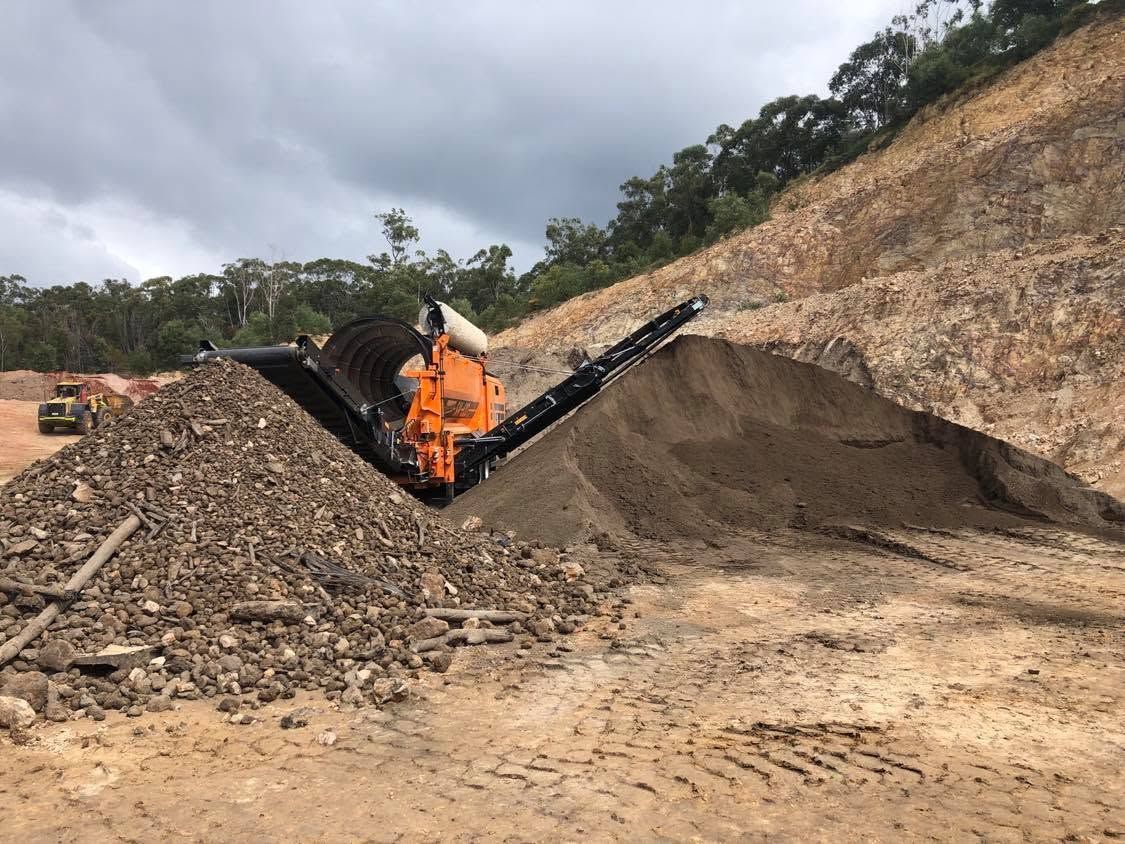
Recycling allows suitable concrete to be crushed, screened and repurposed for construction projects.
Conserving Natural Resources
Traditional aggregate production requires quarrying natural rock and gravel. Using recycled aggregate where specifications permit reduces demand for newly extracted materials and supports more efficient resource use.
Reducing Transport Impacts
Locally processed recycled concrete may also reduce transport-related emissions when recycling facilities are closer than alternative disposal sites or aggregate suppliers. Actual environmental savings depend on transport distances, processing requirements and project conditions.
How Does Recycled Aggregate Compare to Traditional Aggregate?
Recycled aggregate can provide a reliable and economical alternative to virgin quarry materials for suitable construction applications. However, contractors must consider material quality, engineering specifications and total delivered costs before selecting a product.
Performance & Applications
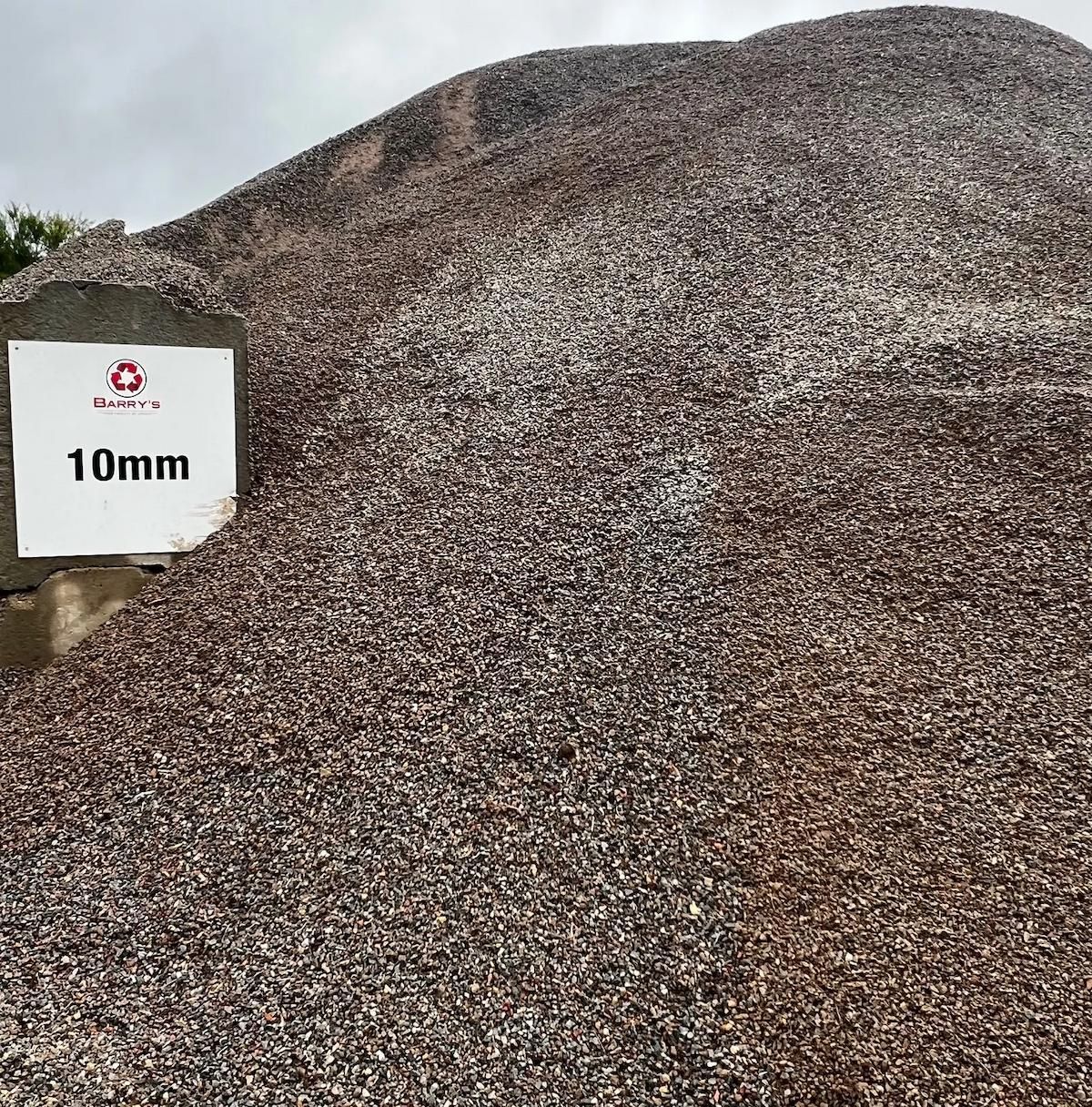
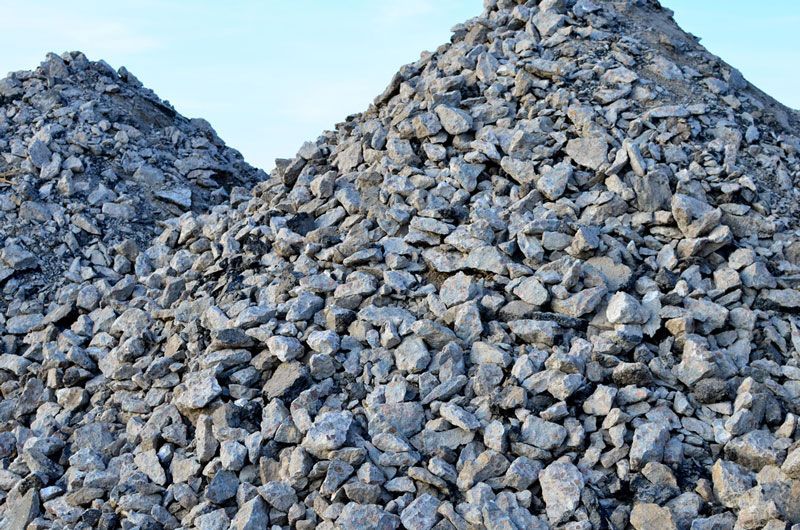
Recycled concrete aggregate is produced by crushing and screening recovered concrete into usable sizes.
Common applications include:
- Road base and subbase construction.
- Hardstand areas and access tracks.
- Selected fill and civil earthworks.
- Pavement preparation.
- Other approved construction applications.
Recycled aggregate can have different water absorption, density and compaction characteristics compared with virgin materials.
These differences make product selection important. Contractors should confirm that recycled aggregate meets relevant engineering standards and project specifications.
Cost Advantages
Recycled aggregate may cost less than traditional quarry materials, particularly when sourced locally. However, the overall price depends on material grading, availability, transport distances and testing requirements.
For example, a Brisbane civil contractor building a temporary access road might use appropriately graded recycled concrete aggregate instead of virgin crushed rock. If the recycled material meets the project's specifications and is available nearby, it could reduce total material costs.
Quality Considerations
Not all recycled aggregate products offer the same characteristics. Quality depends on the original concrete, contamination controls and processing methods. Contractors should verify material specifications before using recycled aggregate in engineered applications.
For more information on choosing suitable materials, read our guide to
Why Not All Aggregates Are Suitable for Structural Use.
Why Are Brisbane Contractors Increasingly Choosing Recycled Materials?
Builders and civil contractors are adopting recycled materials because they can improve waste management, support sustainability commitments and potentially reduce project expenses.
The benefits are particularly relevant to demolition works, subdivisions, road construction and infrastructure projects.
Better Construction Waste Management
Planning for concrete recycling early helps contractors separate suitable materials and avoid unnecessary disposal.
An effective process involves:
- Identifying recyclable concrete during project planning.
- Separating concrete from general waste and hazardous materials.
- Transporting suitable materials to an appropriate recycling facility.
- Processing recovered concrete into recycled aggregate.
- Using recycled products where project specifications allow.
This approach helps reduce material waste and supports more efficient construction operations.
Meeting Client & Tender Requirements
Developers and principal contractors increasingly consider environmental performance when assessing construction proposals. Demonstrating responsible waste handling and appropriate recycled material use can help contractors satisfy project-specific sustainability requirements.
What Should Contractors Look for in a Concrete Recycling Facility?
Choosing the right recycling facility helps contractors manage waste efficiently and source suitable recycled materials.
Important considerations include:
- Material acceptance: Confirm whether the facility accepts clean concrete, reinforced concrete or other demolition materials.
- Location: Consider transport distances and associated haulage costs.
- Product availability: Check whether the facility supplies recycled aggregate suitable for the intended application.
- Quality requirements: Request relevant product specifications and testing information where necessary.
- Environmental compliance: Confirm the facility operates under applicable regulatory requirements.
Working with a suitable recycling provider can simplify waste management and help contractors make better use of recoverable materials.
Why Concrete Recycling Should Be Part of Every Brisbane Construction Plan
Concrete recycling is becoming a standard consideration in Brisbane construction because it addresses rising disposal costs, environmental responsibilities and demand for sustainable materials.
Although recycling is not mandatory for every project, ignoring opportunities to recover concrete can mean unnecessary landfill expenses and wasted resources.
For builders, developers and civil contractors, the key is to plan ahead, separate suitable materials and use recycled aggregate where it meets project requirements.
Planning a construction or demolition project in Brisbane? Contact the team at Greenline Recycling to discuss your concrete recycling requirements and explore suitable recycled material options for your next project.
Frequently Asked Questions